01 / HARNESS
Give agents a body.
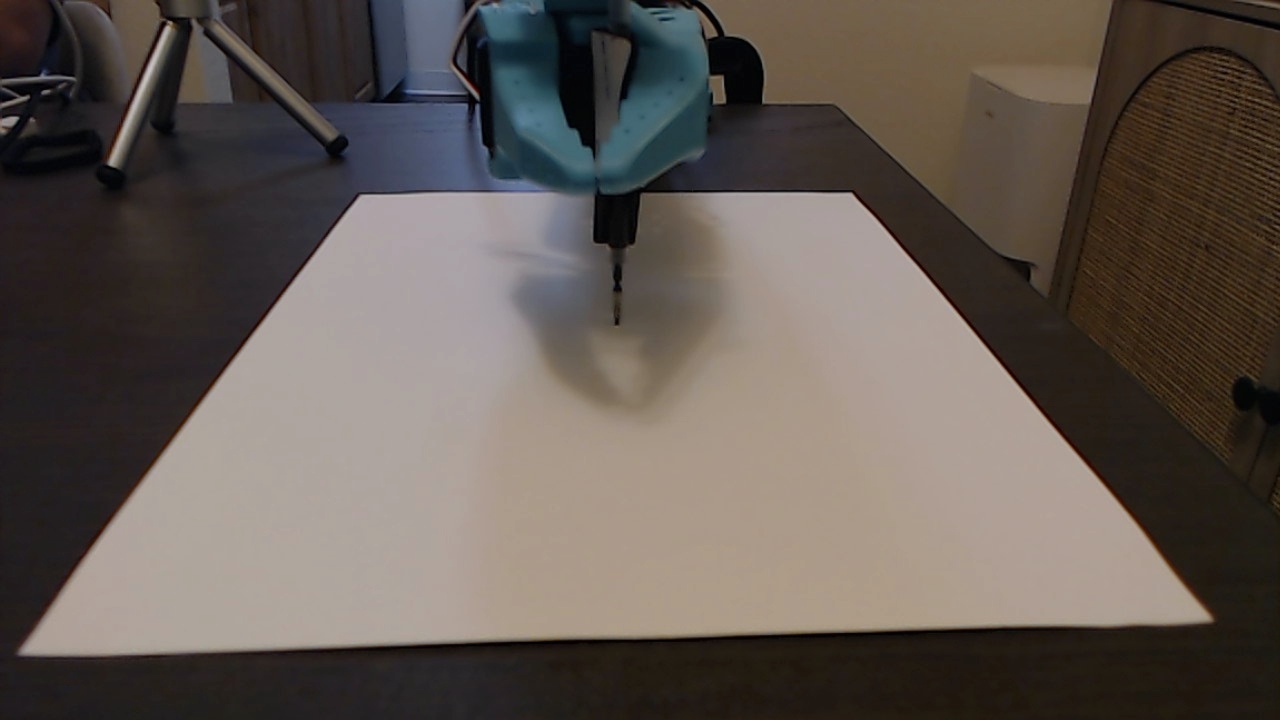
Connect robot control, camera observations, calibration, and reusable tools so agents can act and inspect the result.
Robotics harnesses & evaluation
We connect AI agents to robots, then test what they can do. Real hardware. Physical feedback. Results we can inspect and repeat.
What we build
A robot needs tools, sensors, calibration, and a way to check its work. We build that harness and evaluate the system together. What changed? Did the task succeed? Can it do it again?
Connect robot control, camera observations, calibration, and reusable tools so agents can act and inspect the result.
Our evaluation work asks how models and harness choices affect task completion, error recovery, and consistency on physical tasks.
Our next milestone is evaluating AI safety and harm in robotics, including how agents respond to hazardous requests.
Public prototype / Drawing
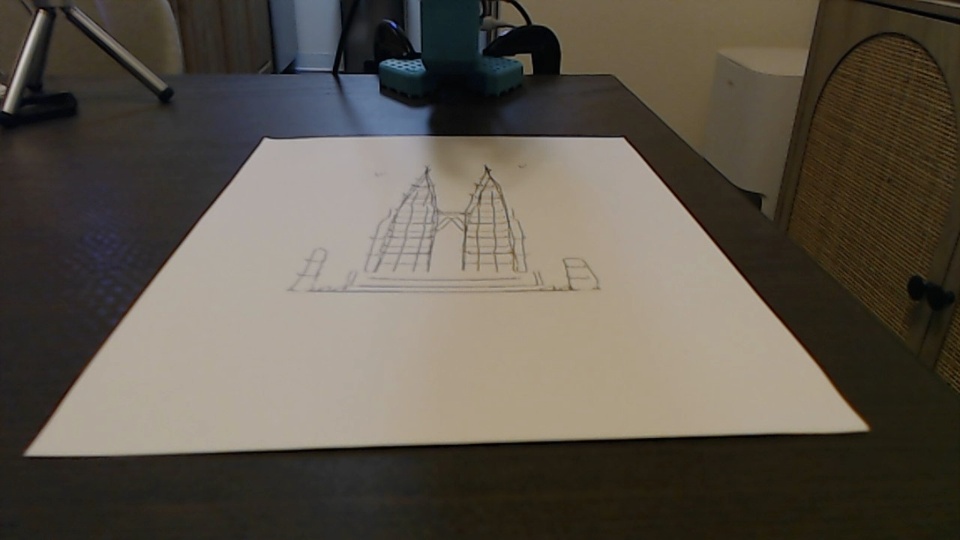
Our SO101 harness turns a robot arm into a pen plotter. An AI coding agent wrote the control code from scratch and used camera images to close the feedback loop.
The first ArtScience Museum drawing was rough. After changes to the pen mount, calibration, and stroke design, the robot produced a Petronas Twin Towers sketch.
Next research milestone
We are developing robotics evaluations for AI safety and harm. Our focus includes hazardous material and weapon related scenarios, alongside evaluation of the harness and the robot's capabilities.
We want evidence about where an agent's boundaries hold and where they fail. These are research questions for the next phase.
About the lab
Green Robin Lab is a team of five working on robotics harnesses, capability evaluation, and AI safety. Dylan Ler shares code and research notes on agent tools, model behavior, and evaluation.
Get in touch
We'd like to hear from people building robot systems, agent harnesses, and evaluations.
admin@greenrobin.us ↗